A plumber recently saw a Reservoir and asked the question above. It pointed toward a dirty secret: in a service-heavy business, frequent failure can be viewed as good business.
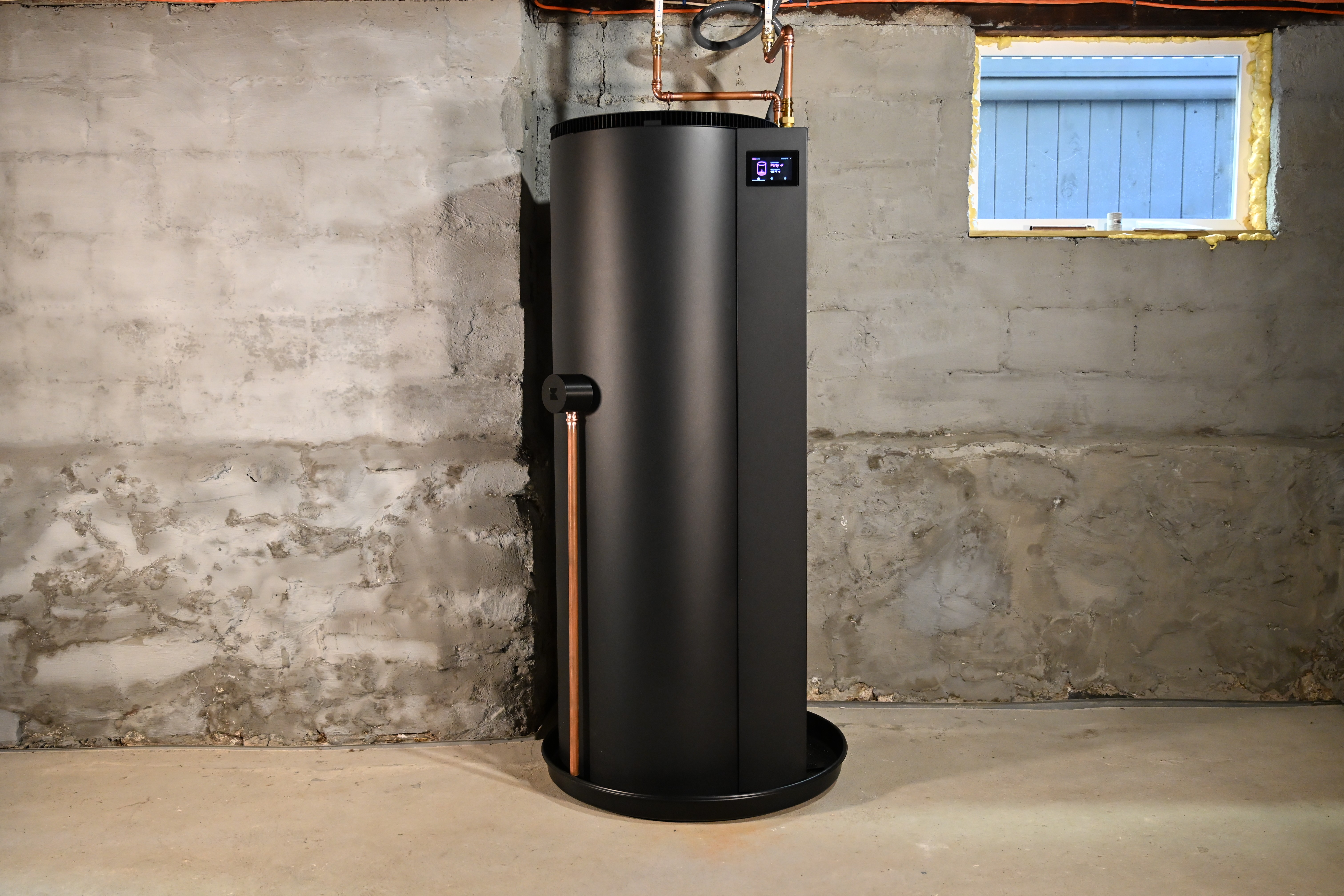
At Reservoir, we take a homeowner-first view. Our goal is to provide reliability and peace of mind through a superior experience—not a recurring repair bill. We do this by providing a high-performance hot water experience defined by comfort and reliability.
The Corrosion Problem
To understand water heater reliability, you have to understand why tanks leak. When you store water in a steel tank, a natural chemical reaction occurs: the water eats (i.e. corrodes) the steel.
Most traditional water heaters protect the tank using a sacrificial anode rod. This is typically a magnesium or aluminum rod that "sacrifices" itself, i.e. the water corrodes the rod instead of the tank.
Once that rod is gone, however, the water moves on to corroding the tank itself, essentially eating your tank from the inside out. While you can technically replace an anode rod to extend your water heater’s lifespan, most homeowners don't have the tools or technical knowledge to do so.
This cycle of failure creates a recurring revenue stream for repair services, but costs the homeowner significantly in the long run. And, of course, the inevitable leak on the basement floor.
Reservoir’s Intelligent Corrosion Protection
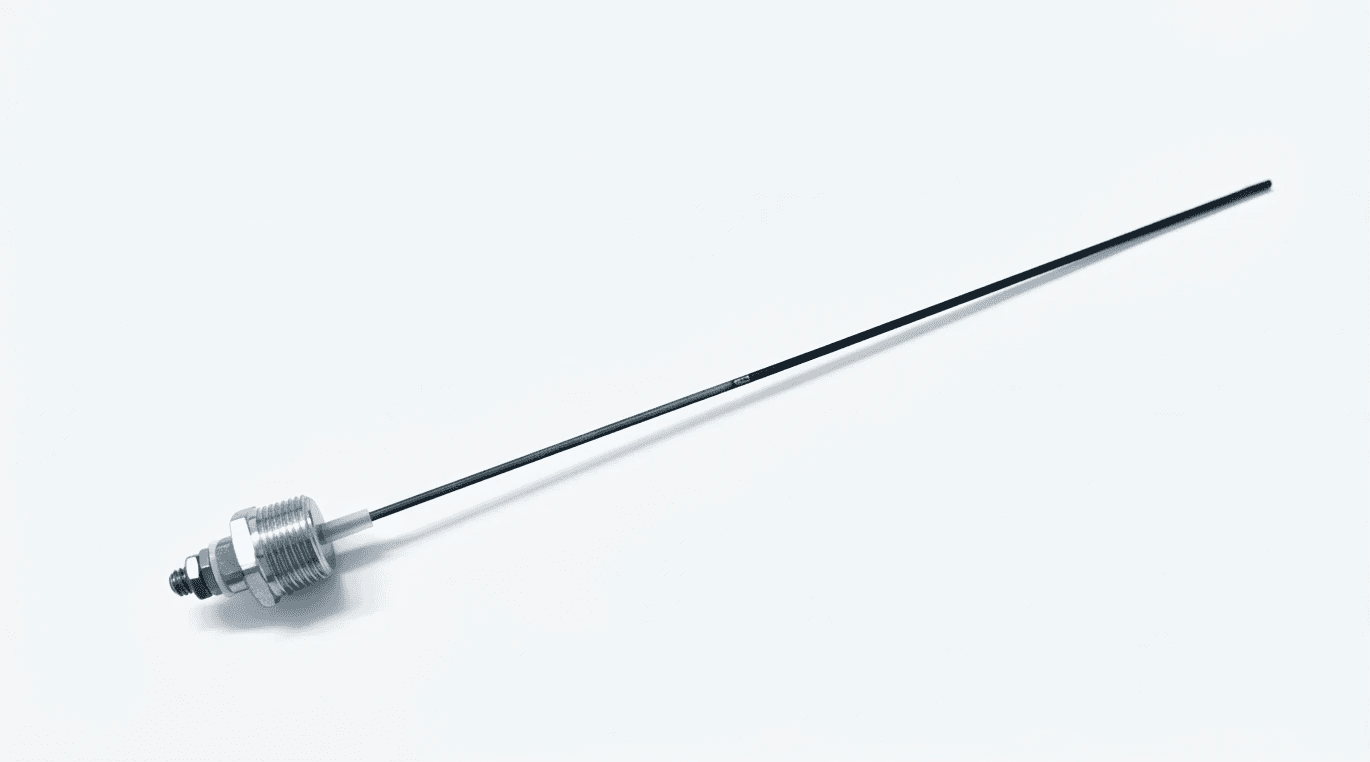
It’s the 21st century. At Reservoir, we leverage intelligence for reliability, even to stop rust in its tracks. Our electric anode rod dynamically uses a tiny electric current to effectively stop corrosion.
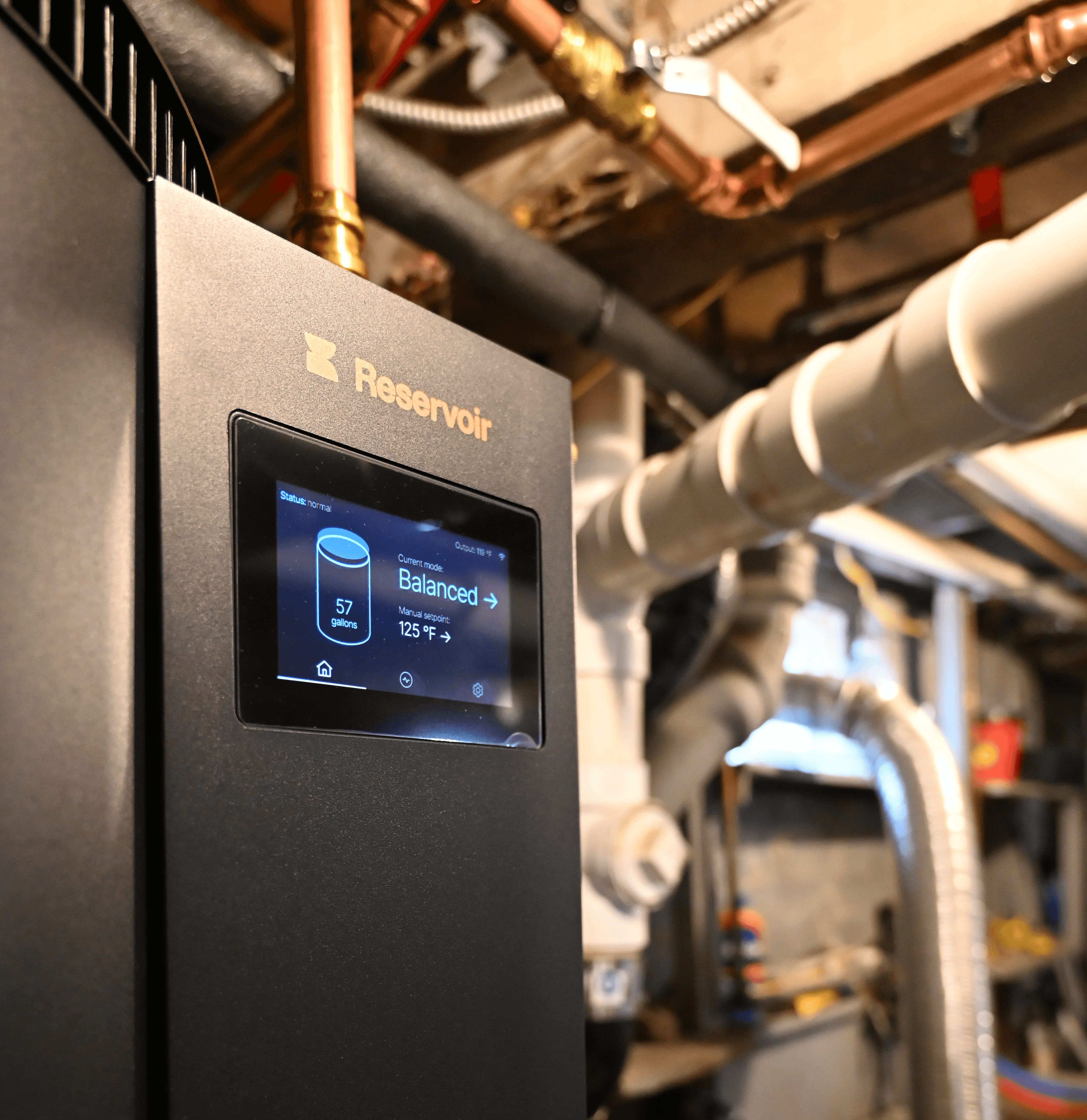
The electric rod extends the life of your tank for decades, ensuring hot water reliability without the need for frequent, invasive maintenance. And for leaks not caused by anode rod corrosion, Reservoir offers Auto-Leak Detection that you can monitor right from your phone. It’s a smarter, more scientific approach to home efficiency that puts your peace of mind—and your floor’s dryness—first.